
Make good can be one of the most expensive and least understood parts of an office lease.
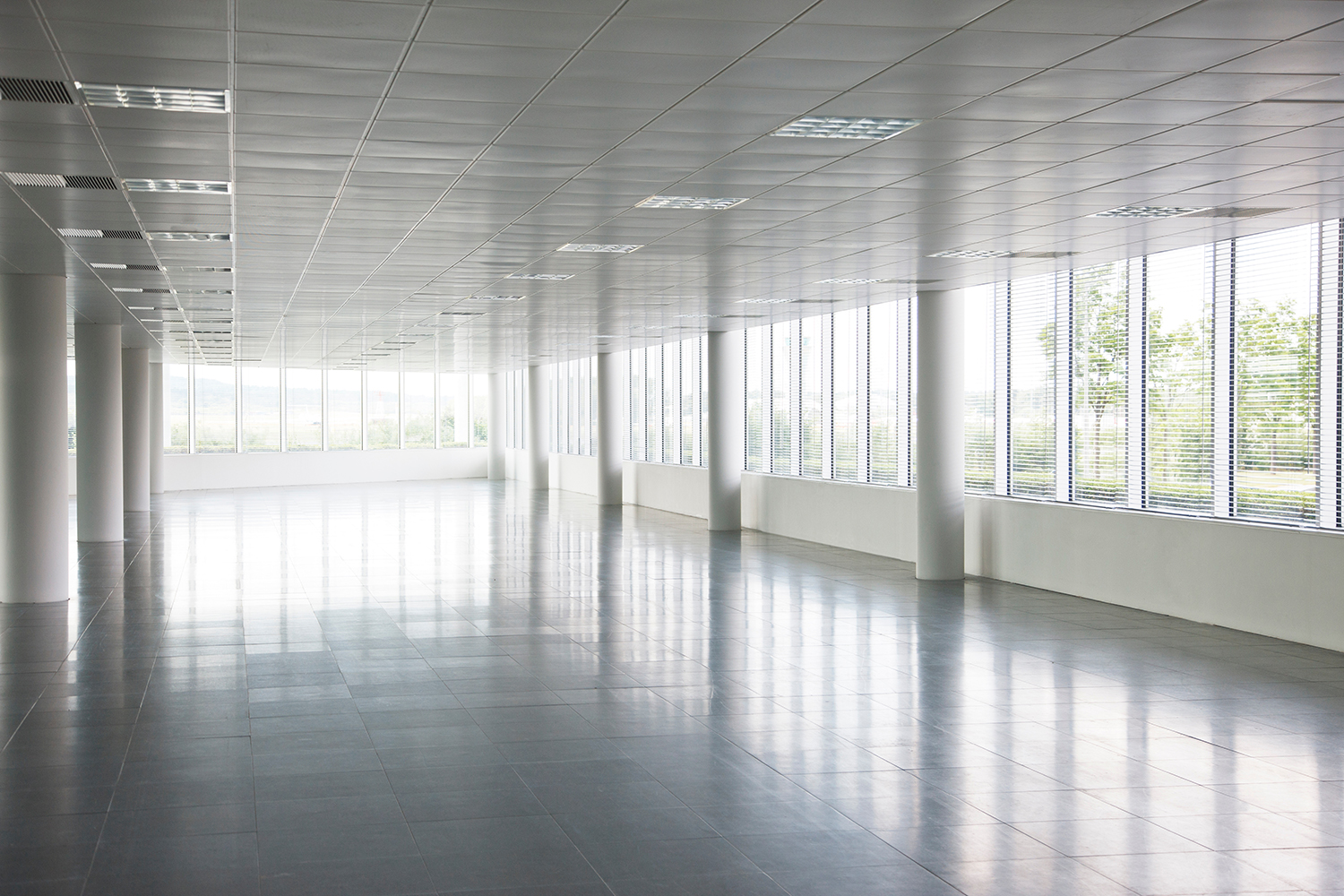
In simple terms, it is the obligation to return your office space to an agreed condition when your lease ends. Depending on your lease, that could mean removing your fit-out, repairing damage, repainting, removing cabling and services, or even returning the space to a bare shell.
The cost can be significant. And with construction, labour and materials costs having risen sharply in Australia in recent years, make good obligations that once looked manageable can now be far more expensive.
The good news is that make good is negotiable.
In some cases, you may be able to reduce your obligation substantially. In others, you may be able to remove it altogether.
The key is knowing when to negotiate it.
Negotiate make good before you sign the lease
The best time to reduce your make good obligation is before you sign the lease.
Too often, tenants focus on rent, incentives and lease term while treating make good as something to worry about later. But what you agree to at the beginning of the lease can have a major impact on what it costs you to leave.
Before signing, make sure the make good clause is clear and specific.
Avoid broad obligations that give the landlord too much discretion over what you must remove or reinstate. Where possible, negotiate a limited obligation that reflects what is actually reasonable for the premises.
Better still, try to have the make good obligation removed altogether.
Depending on the property, the fit-out and your negotiating position, a landlord may agree that you can simply leave the premises in their existing condition at the end of the lease.
That can eliminate a substantial future cost.
Renewing your lease? Renegotiate your make good
This is one of the biggest opportunities office tenants overlook.
When you renew your lease, you do not have to automatically accept the same make good obligation you agreed to years earlier.
A lease renewal is a new negotiation.
That means your make good should be back on the table along with the rent, incentives, lease term and other commercial conditions.
This is particularly important if your existing obligation requires you to remove an old fit-out.
For example, you may have installed your fit-out 10 or 15 years ago. If you renew for another five years, the cost of removing that fit-out at the end of the new term could be much higher than you originally expected.
Instead of simply carrying the existing obligation forward, try to reduce it, cap it or remove it altogether as part of the renewal.
The landlord wants you to stay. That gives you an opportunity to negotiate.
If you can’t remove it, narrow it
If the landlord will not agree to remove the make good obligation entirely, the next best option is to reduce its scope.
For example, instead of returning the premises to a bare shell, you may be able to negotiate an obligation that only requires you to repair damage, remove loose furniture and equipment, and leave the premises clean and tidy.
You may also be able to agree that certain parts of the fit-out can remain.
The more clearly the make good obligation is defined, the less room there is for disagreement later.
Ambiguity is expensive.
A vague clause can lead to disputes about what must be removed, what constitutes damage and what condition the premises must be left in.
Consider a fixed make good payment
Another option is to negotiate a fixed payment or cap.
Rather than physically completing the make good works, you agree to pay the landlord an agreed amount at the end of the lease.
This can give you far greater cost certainty.
For a CFO or a business owner, that can be particularly valuable. Instead of facing an unknown liability years down the track, you know what your maximum exposure will be and can plan accordingly.
A fixed payment may not suit every situation, but it is worth considering as part of the negotiation.
Find out what the landlord actually plans to do
As your lease approaches expiry, do not automatically assume you have to complete every make good item in the lease.
First, find out what the landlord intends to do with the space.
The next tenant may want to keep some or all of your fit-out. The landlord may be planning a major refurbishment. The building may even be due for redevelopment.
In those circumstances, stripping out a perfectly usable fit-out may make little commercial sense.
That creates another opportunity to negotiate.
You may be able to agree to leave some of the fit-out in place, reduce the scope of the works, or reach a cash settlement instead.
But these discussions need to happen early.
Once you have started demolition or committed to contractors, the opportunity may be lost.
Rising construction costs have raised the stakes
Make good obligations have always mattered, but they matter even more now.
Construction costs in Australia have increased substantially in recent years. Materials are more expensive. Labour is more expensive. Contractors are more expensive.
That means a make good obligation negotiated many years ago may now cost far more to satisfy than anyone originally anticipated.
This is another reason to review your make good well before lease expiry.
It is also a strong reason to revisit the issue when renewing your lease rather than simply allowing the existing obligation to roll over unchanged.
Start early
The worst time to think about make good is a few months before you hand back the keys.
By then, your options are limited.
Instead, review the obligation well before your lease expires. Understand exactly what the lease requires. Estimate the likely cost. Find out what the landlord plans to do with the premises. Then look for opportunities to negotiate.
The earlier you start, the more options you are likely to have.
Make good is negotiable
Make good should not simply be accepted as an unavoidable cost of leasing office space.
You can negotiate it when you take a new lease.
You can renegotiate it when you renew.
And, in some cases, you can reduce or remove the obligation as you approach the end of the lease.
The key is to deal with it early, while you still have leverage.
TRS helps office tenants negotiate better lease terms, including make good obligations. If your lease is coming up for renewal or expiry, contact us to find out how we can help reduce your costs and improve your position.
